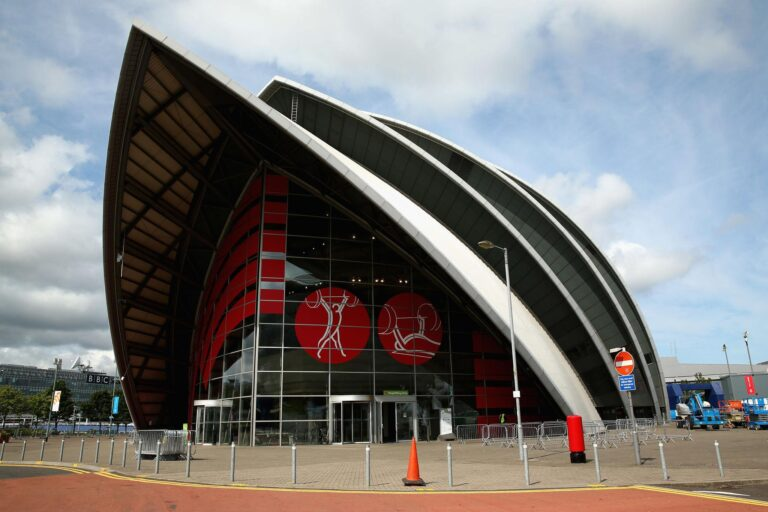

In just a few months, the sporting world will turn its attention to 2026 Commonwealth Games, as the Scottish city of Glasgow prepares to host one of the most anticipated multi-sport events on the global calendar.
Scheduled to take place from 23 July to 2 August 2026, the Games are being widely described as a “reset moment” for the Commonwealth movement—one that prioritises sustainability, affordability, and community impact over the traditional scale and extravagance of past editions.
A Compact but Competitive Games
Unlike previous tournaments, Glasgow 2026 will feature a streamlined programme of about 10 sports, including athletics, swimming, cycling, and boxing. The decision to reduce the number of disciplines is part of a deliberate effort by the Commonwealth Sport to make the Games more financially viable and easier for host cities to manage.
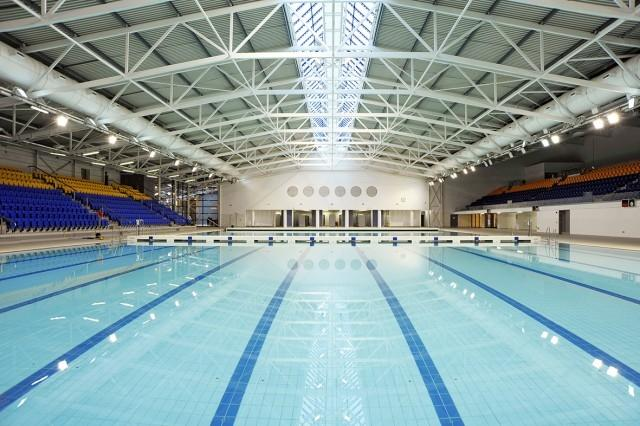
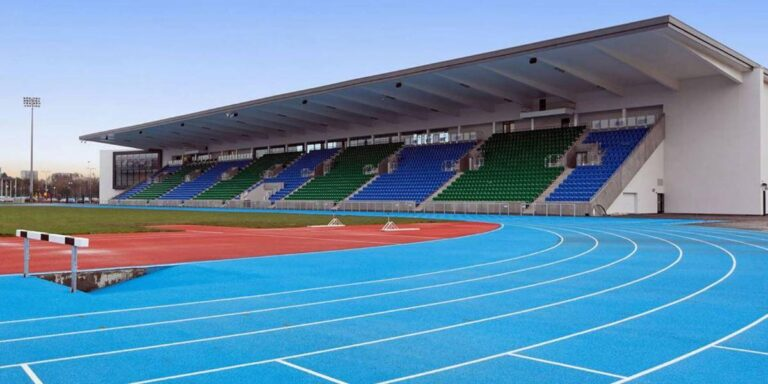
Competitions will be held across a handful of existing world-class venues such as Scotstoun Stadium, the Emirates Arena, and the Sir Chris Hoy Velodrome, all located within close proximity. This “cluster model” is expected to enhance the fan experience while reducing logistical costs.
Community at the Heart
Beyond the medals and records, Glasgow 2026 is placing strong emphasis on community engagement. Millions of pounds have already been invested into local cultural and sporting initiatives through the Glasgow 2026 Festival, ensuring that the impact of the Games extends far beyond the competition period.
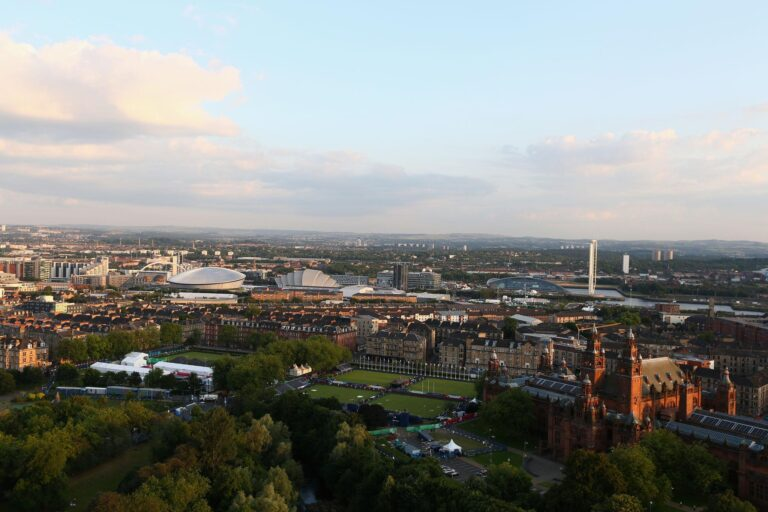
Organisers believe this approach will create a lasting legacy, particularly for young athletes and grassroots sports development across Scotland and the wider Commonwealth.
Global Stakes and Expectations
Nations across the Commonwealth are already ramping up preparations, with traditional powerhouses like Australia, England, and Canada setting ambitious medal targets. For many smaller nations—including those from Africa—the Games offer a crucial platform to showcase talent on the world stage.
For Ghana and other African countries, Glasgow 2026 presents another opportunity to build on past successes and inspire a new generation of athletes.
Challenges and Determination
Despite the optimism, preparations have not been without criticism. Concerns about infrastructure readiness and city conditions have surfaced in sections of the media. However, local authorities and organisers remain confident that Glasgow—drawing on its successful hosting of the 2014 Commonwealth Games—will deliver a memorable and efficient event.
A Defining Moment
As the countdown continues, the 2026 Commonwealth Games are shaping up to be more than just a sporting spectacle. They represent a turning point—a chance to redefine how major international events are delivered in a rapidly changing world.