

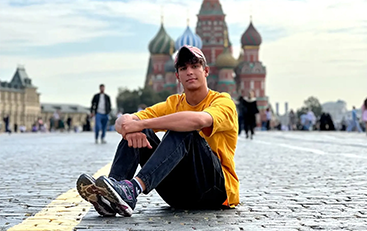
The execution of Iranian wrestler Saleh Mohammadi has triggered widespread international condemnation, raising fresh concerns over human rights and the treatment of athletes in Iran.
Mohammadi, who had represented his country on the international stage, was executed on Thursday alongside two other Iranian citizens, Mehdi Ghasemi and Saeed Davoudi, following a controversial judicial process linked to anti-government protests earlier this year.
Iranian authorities allege that the three men were responsible for the killing of two police officers during demonstrations in the city of Qom on 8 January. According to official accounts, the incident formed part of a coordinated violent response during a period of heightened social tension.
Allegations of Forced Confessions and Unfair Trial
Human rights organisations have strongly disputed the official narrative, describing the trial as deeply flawed.
Groups including Amnesty International and Iran Human Rights claim Mohammadi was denied adequate legal defence and forced to confess under coercion. They also allege that the court dismissed claims of torture and ignored the athlete’s retraction of his confession.
Critics argue that the case failed to meet basic standards of due process, citing lack of credible evidence, restricted access to independent legal counsel, and limited avenues for appeal.
Athletes ‘Targeted’ in Crackdown
The execution has intensified fears that athletes are increasingly being targeted in Iran’s broader crackdown on dissent.
Iranian activist and athlete Nima Far described Mohammadi’s death as “a blatant political murder,” alleging it forms part of a pattern aimed at intimidating society and silencing influential public figures.
The case has drawn comparisons to the 2020 execution of wrestler Navid Afkari, which also sparked global outrage and highlighted the risks faced by athletes involved in protest movements.
IOC Responds Amid Calls for Action
The International Olympic Committee expressed concern over reports of mistreatment of athletes but emphasised the limits of its authority.
In a statement, the IOC noted that it is “very difficult to comment” on individual cases without verified information and stressed that, as a non-governmental organisation, it cannot influence the laws or political systems of sovereign nations.
The body added that it would continue engaging through “quiet sports diplomacy,” though activists have criticised the approach as insufficient.
Growing International Concern
Mohammadi’s execution reportedly took place just hours after the United States Department of State called for a suspension of the sentence—an appeal that was not heeded.
The incident has reignited debate over the use of capital punishment in Iran, particularly in cases linked to political unrest. Human rights groups warn of a rise in executions following mass arrests during recent protests, with thousands reportedly detained.
Reports also indicate that several athletes across different sports—including football, boxing, athletics and wrestling—remain in detention, further deepening concerns within the global sporting community.
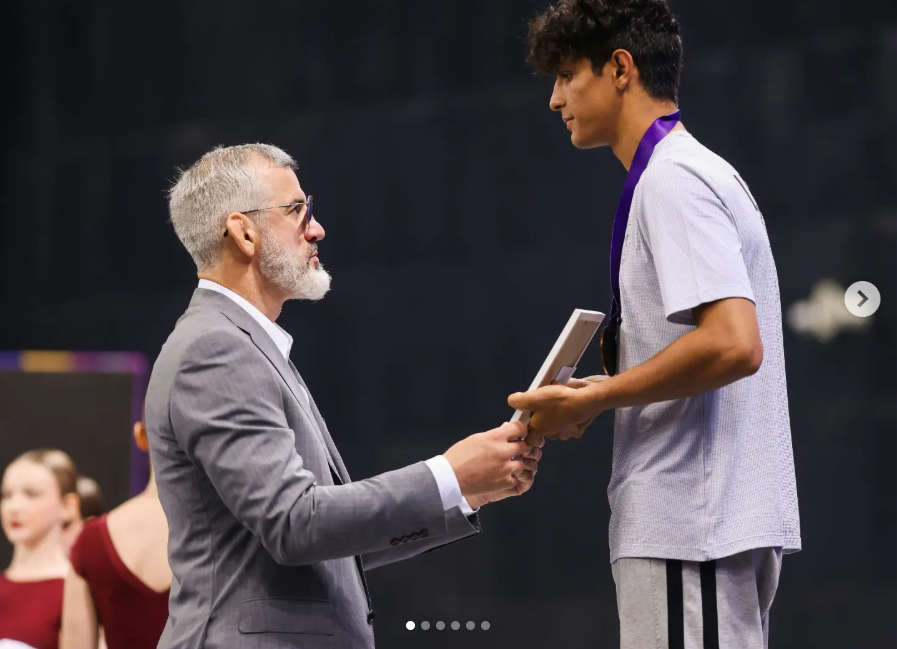
Mohammadi, a bronze medallist at the 2024 Saytiyev Cup in Russia, had maintained his innocence during trial proceedings, stating he was elsewhere at the time of the alleged crime. His defence was ultimately rejected by the court.
His death is now being viewed as more than a legal case—it has become a symbol of the intersection between sport, politics and human rights.
As international pressure mounts, the execution underscores a troubling reality: for some athletes, representing their country on the global stage does not shield them from the consequences of political dissent.