

The rise of former Ghanaian footballers into top-level coaching roles across Africa is becoming one of the most remarkable success stories on the continent. From national teams to club football, Ghanaian tacticians are steadily building a reputation for discipline, player development and competitive success.
The achievements of coaches such as Ibrahim Tanko, Abdul Karim Zito, Kwasi Appiah, C.K. Akonnor and Laryea Kingston have once again thrown the spotlight on the quality of Ghanaian coaching and the growing demand for local expertise across Africa.
For decades, Ghana produced exceptional footballers who excelled both locally and internationally. Today, many of these former players are transferring their knowledge and experience into coaching, shaping a new generation of footballers while also competing successfully against some of the continent’s finest tacticians.
Their success continues the proud legacy established by coaching greats such as Abdul Karim Razak, Sir Cecil Jones Attuquayefio, Ibrahim Sunday, Osam Duodu and Ben Koufie, who all left indelible marks on African football.
One of the most respected names among the current generation is Ibrahim Tanko. The former Borussia Dortmund forward has steadily built an impressive coaching résumé after his playing career. He is currently the best coach in Ghana having guided Medeama SC to win the 2025/26 Ghana Premier League title in an admirable fashion.
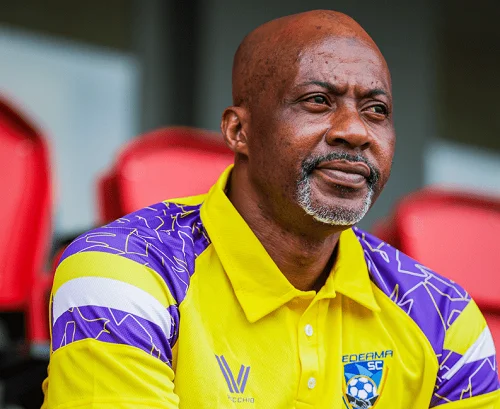
idespread praise. He later handled the Black Galaxies and also served as Technical Director of Accra Lions. As a player, Tanko remains one of Ghana’s most accomplished exports, having won the UEFA Champions League with Borussia Dortmund and contributed to Ghana’s qualification for the 2006 FIFA World Cup.
Another coach whose achievements continue to attract continental admiration is Abdul Karim Zito. A former Asante Kotoko player, Zito has built a strong coaching reputation in Ghana, Mali and Benin through his emphasis on discipline and youth development. His recent success with Dreams FC elevated his status significantly after guiding the club to victory in the 2023 MTN FA Cup before leading the side to a historic CAF Confederation Cup campaign in 2024. Under his leadership, Dreams FC reached the semi-finals of the competition while players such as Solomon Agbasi, Aziz Issah and John Antwi earned continental recognition. Aziz Issah and John Antwi finished as joint top scorers of the
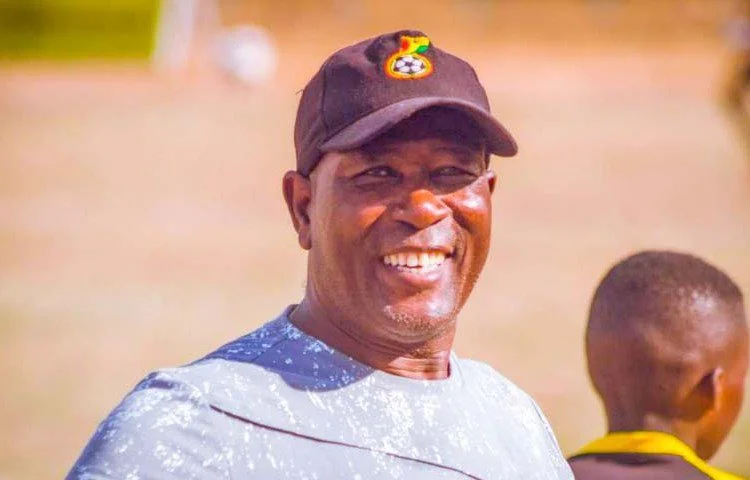
a Cup in South Africa, where the Ghanaian giants defeated Kaizer Chiefs in the final.
Kwasi Appiah remains one of the most influential Ghanaian coaches in modern football history. After successful playing careers with Asante Kotoko and the Black Stars, Appiah transitioned into coaching and eventually became the first indigenous Ghanaian coach to qualify the Black Stars for the FIFA World Cup when he led the team to Brazil 2014. His tenure also saw Ghana reach the semi-finals of the 2013 Africa Cup of Nations in South Africa and qualified for the 2019 AFCON in Egypt.
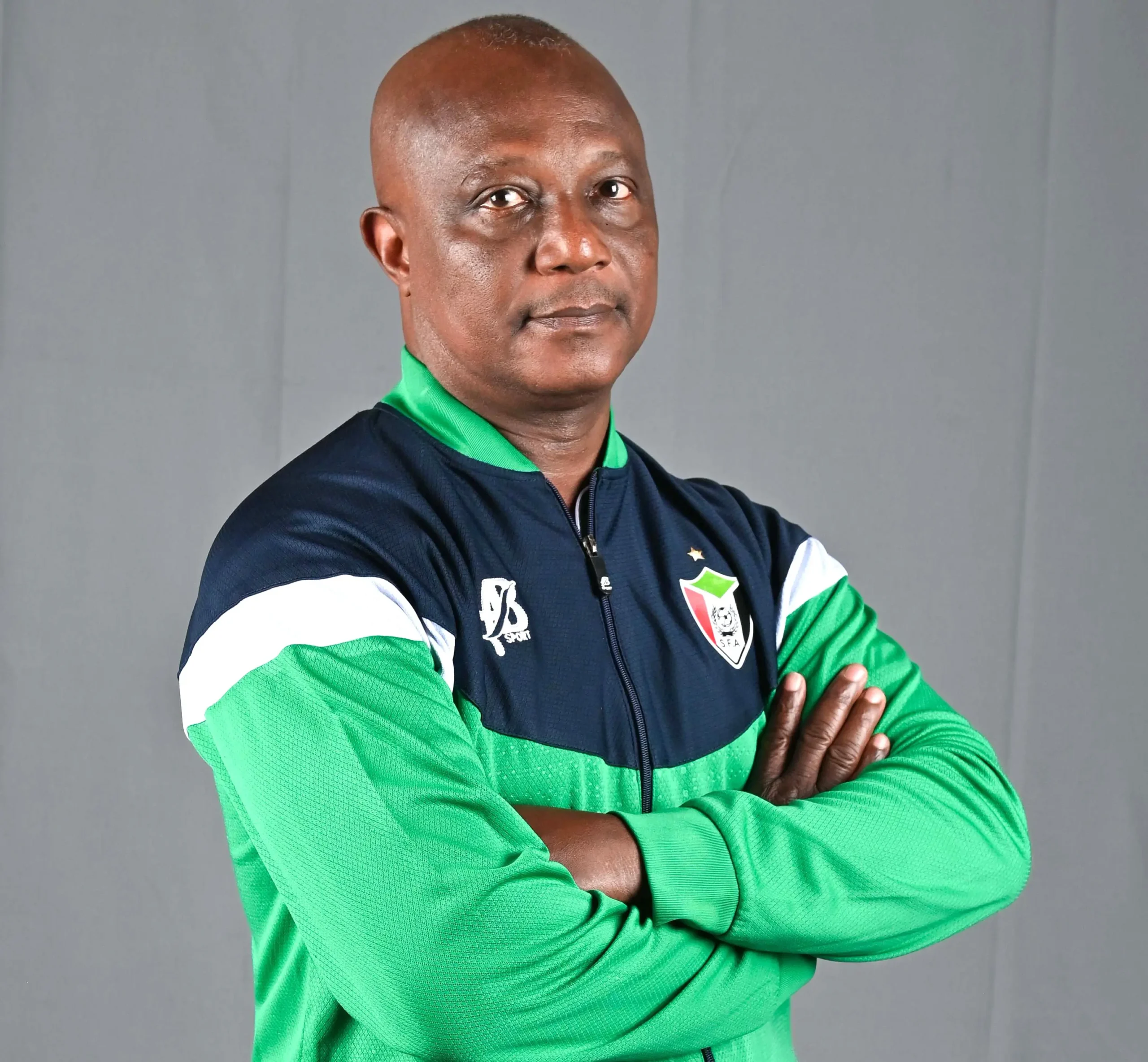
h has once again demonstrated his tactical quality on the continental stage after leading Sudan to qualification for the 2025 Africa Cup of Nations ahead of Ghana in the same qualifying group. His achievements have strengthened the growing belief that Ghanaian coaches c
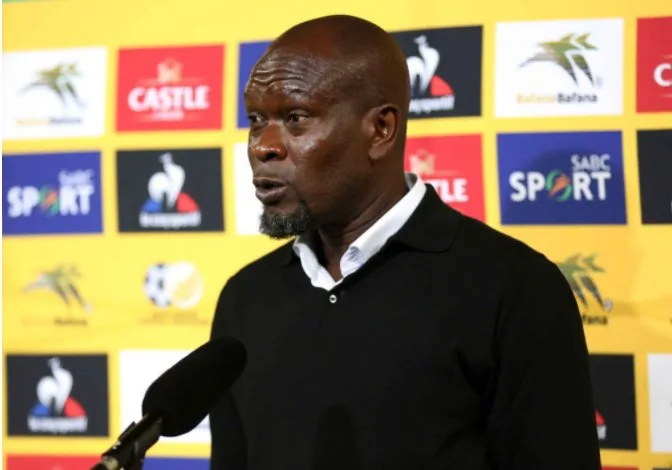
The emergence of Laryea Kingston as a coach has further highlighted the growing influence of former Ghanaian internationals in management. Known for his exciting and attacking style of football, Kingston first gained national attention when he was appointed head coach of the Ghana U-17 national team, the Black Starlets.
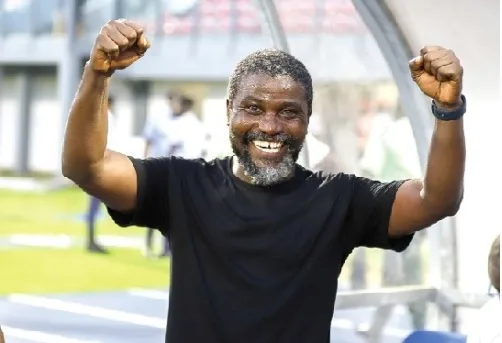
r African nations now have in Ghanaian coaches.
The achievements of these coaches represent more than personal success stories. They reflect the growing credibility of Ghanaian football knowledge and the ability of former players to adapt successfully to modern coaching demands.
Across Africa, clubs and national teams are increasingly turning to Ghanaian coaches for leadership, tactical organisation and player development. As the new generation continues to rise, Ghana’s contribution to African football may soon be defined not only by its talented players, but also by the brilliance of its coaches on the touchline.