

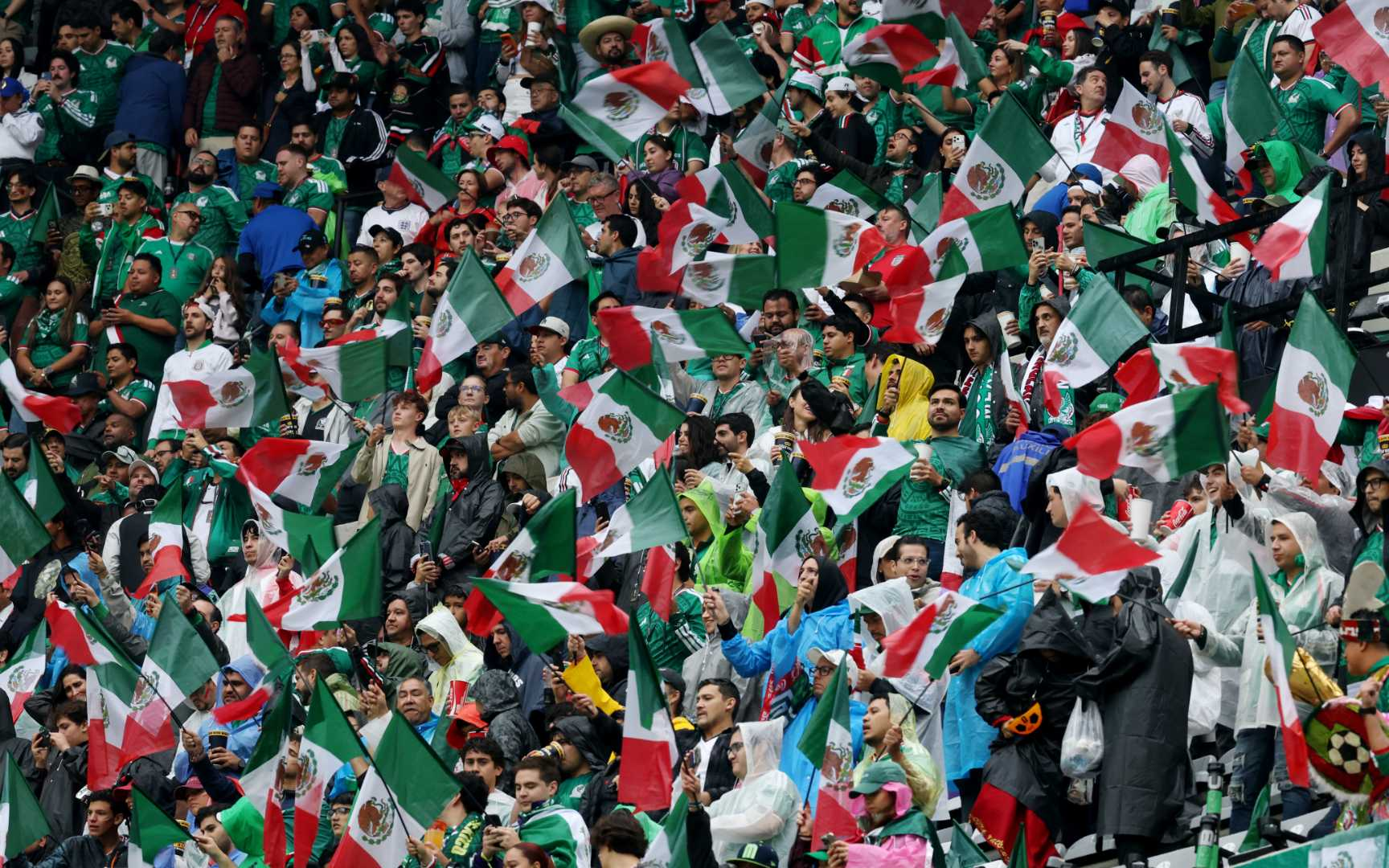
MEXICO CITY, July 11, 2026 – While in the US the quarterfinals continue and the World Cup becomes the “Cup of Discord” with accusations, media attacks, complaints, and underhanded tactics at the executive level, with Gianni Infantino at the center of it all, in Mexico things are different.
I walk the streets of Mexico City and everything is calm. The kids have just started their vacations and the infernal traffic of the mornings and afternoons is more manageable.

SMELL OF NOSTALGIA Taxis charge less, the food, the tacos, smell of nostalgia, the human tide has disappeared, the rivers of alcohol have evaporated too, the fear of being overwhelmed by a swarm has changed.
The echoes of the World Cup, the one where Mexico was once again left out of the Grand Celebration, are just that: echoes from a television screen in some shop with few customers.
The “Mexican Wave” was put on hold for another time, but unlike other times, now we breathe a sense of peace within ourselves, the scent of hope settles in our homes, the usual insults that used to belittle and belittle our players are no longer heard, and a breath of hope is woven among the clouds.
A NEW COACH Two truths are emerging across our entire country: We have a team with a new coach, Rafa Márquez, and we want the return of FIFA football, the football of passion, of wonder, of heroes dressed as players; we want a fourth World Cup in 2038.
Before the World Cup, insecurity overwhelmed us, the lies of the ruling class irritated us, divided us, separated us, rampant inflation stripped many essential items from our tables, the more than 130,000 disappeared filled us with anguish, and an uncontrollable anger gripped us all, seeing that even as guests, we wouldn’t be able to secure a place in the stadiums of Monterrey, Mexico City, or Guadalajara.
REALITY CRUSHED US The rosy figures from agencies, financial, tourism, and economic entities tried to convince us that everything would become a land of plenty, with overflowing coffers, cities teeming with visitors, that after the World Cup, we would all be happy, by decree, forever and ever.
Reality crushed us, took root within us, overwhelmed us.
The economic impact barely reached 50 billion pesos, 25% of what was expected, with only 800,000 visitors out of the 5.5 million the Ministry of Tourism had announced. But on the sporting front, Quiñonez and the Azteca Stadium shone brightly, and a 17-year-old, Gilberto Mora, made us dream. The joy, the jubilation, the feeling that our team represented us, filled us with pride. Children, young people, and the elderly felt part of the experience, part of the success, part of the celebration; it took hold of us.
WE WERE ONE We Mexicans once again took in the lost tourists, helped those in need due to accidents or financial losses, and shared, inside and outside the stadiums, packed and exhausted at the FIFA Festivals, now known as the People’s Stadiums. We were one.
We shared, we said, the delicious tacos, the drinks, the green jerseys, which we later exchanged for the blue ones of Korea, the yellow ones of Colombia and Ecuador, the white ones of England, the Czech Republic, Congo, Tunisia, Japan, and Uzbekistan, the red ones of Spain, the light blue and white ones of Uruguay, the orange ones of the Netherlands—everyone came together in a single, multicolored wave, with more than a million people in Mexico City, more than a million fans attending the games, festivals, and concerts in Guadalajara, and approximately 600,000 fans concentrated in Monterrey.

PLEASANT COEXISTENCE The visitors saw the two sides of Mexico:
On the one hand, with extremely expensive tickets, averaging 33,500 pesos (US$1,900) per match, 85% of Mexican fans were left outside the stadiums… but not outside the party.
People in general, locals and visitors alike, will remember more the beautiful side of our country: the pleasant coexistence, the bubble baths, the “want to fly” chants, the tourists and neighbors embracing to heal wounds caused by their teams’ defeats or losses, the “Korean brother, you’re Mexican now” chant, the Iranian expression of gratitude, complete with song, for all the hospitality received during their short stay at the border, the Mexican fans imitating, in the puddles caused by heavy rains, the #Ro of the Norwegian Vikings rowing to the rhythm of a drum, the face of genuine hospitality, the colloquial sayings of “this is your home,” “come back whenever you like,” “we’ll be waiting for you here,” the gratitude of the Korean fans, of the English players who, despite having beaten us, were shown affection and high esteem outside the stadiums, not forgetting the little girl who shouted at the top of her lungs, anyone who spoke ill of Mexico again would be reprimanded for lying. Nor will we forget the Colombian boy lost in Mexico City’s Zócalo, whom some fans lifted above their heads so his aunt could see him. Feeling so high and safe, he started jumping on his rescuers’ shoulders and shouting “Colombia! Colombia!”
COUNTLESS CELEBRATIONS We will also remember the foreigners trying Mexican chili for the first time, the shoes lost in the chaos of the countless celebrations, passed from hand to hand until they reached the flagpole, where their owners would go to retrieve them, or when foreign fans, along with players and coaching staff from some teams, clamored for all the World Cup matches to be held in Mexico, not the USA.
DW, Foreign Policy, ESPN, and Forbes all agreed: what surprised foreigners most was the warmth of the people. Viral images of Mexicans carrying fans from other countries, consoling Koreans after their opening defeat and offering them tequila, Mexican and Argentinian fans embracing despite being fierce rivals on the field. FIFA President Gianni Infantino acknowledged it. The international press (Bristol, France24, Reuters) highlighted it as the “human side” of the World Cup, something no marketing plan can manufacture.
For Mexicans and visitors alike, returning to the Azteca Stadium for a World Cup (after 40 years) served as an emotional ritual: three generations witnessing the same colossus overflowing with emotion, passion, and glory.
POSITIVE INTERNATIONAL NARRATIVE Zero serious security incidents at two of the three venues (except for five deaths during a celebration at the Angel of Independence in Mexico City). The Mexican government achieved what many believed impossible: that the World Cup would not be remembered for tragedies. That, for the international narrative, is worth more than the nearly $3 billion earned.
For now, we’ll continue in a small group, enjoying the triumphs of France and Spain on our screens, the adventures of Argentina as they try to host the incredible Lionel Messi, the Norwegian giant Haaland, thrilled to see and hear a video sent by Mexican fans who created and dedicated a song to him, the old English Lion licking its wounds before unleashing its claws on its next opponent, and a composed, knowledgeable Swiss squad hoping to defy the odds in their next match.
From Mexico City, watched over by its two beautiful volcanoes and now drenched daily by rain, we don’t say goodbye, but rather see you later, until the rolling ball accompanies us again.
See you at the Angel of Independence!