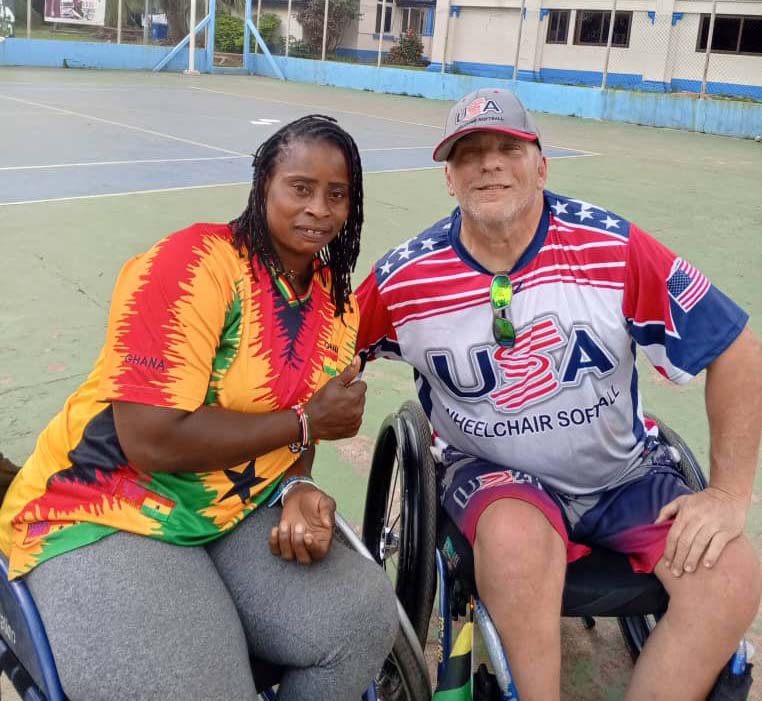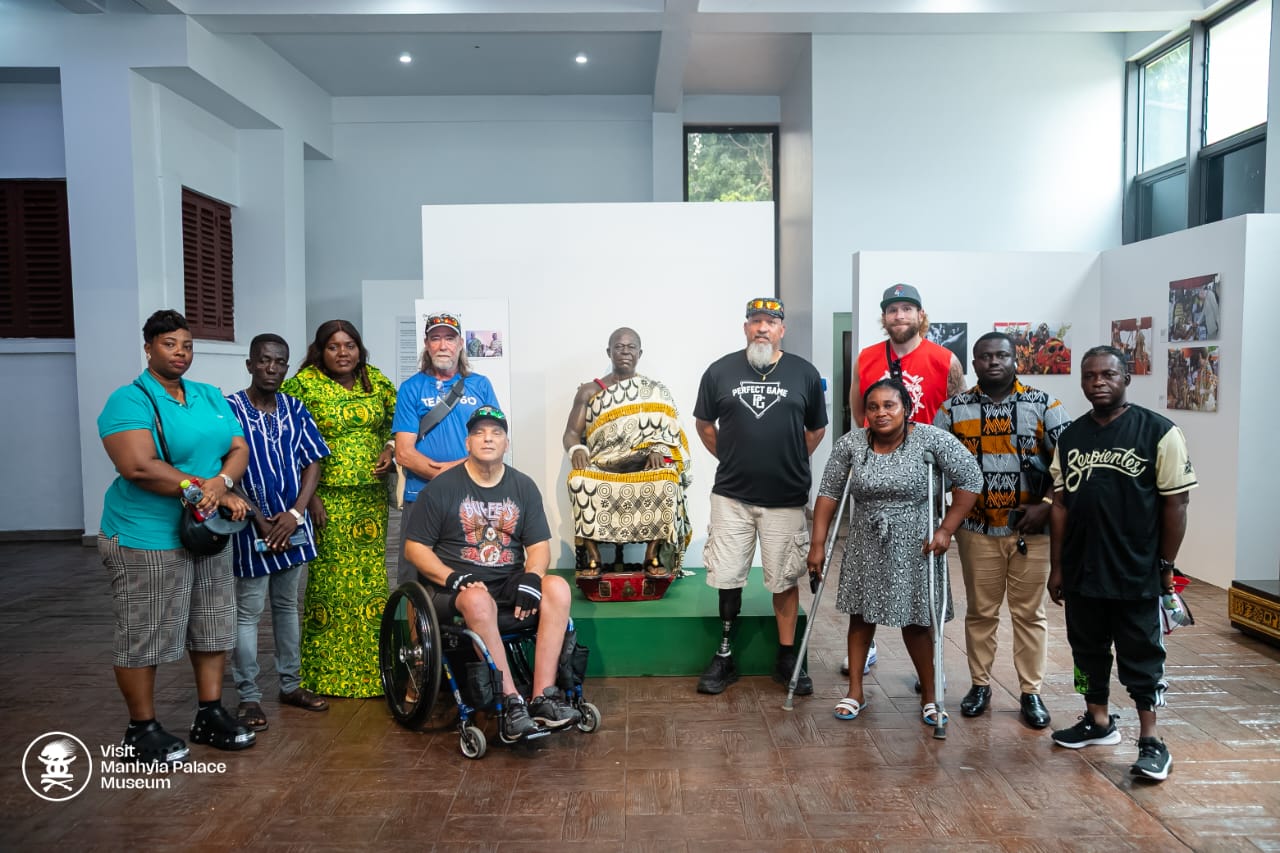

For many young Ghanaians living with disabilities, sports has long felt out of reach. That changed over the past few days as the American Wheelchair Softball delegation rolled into Ghana, turning the field into a space of hope, confidence, and inclusion.
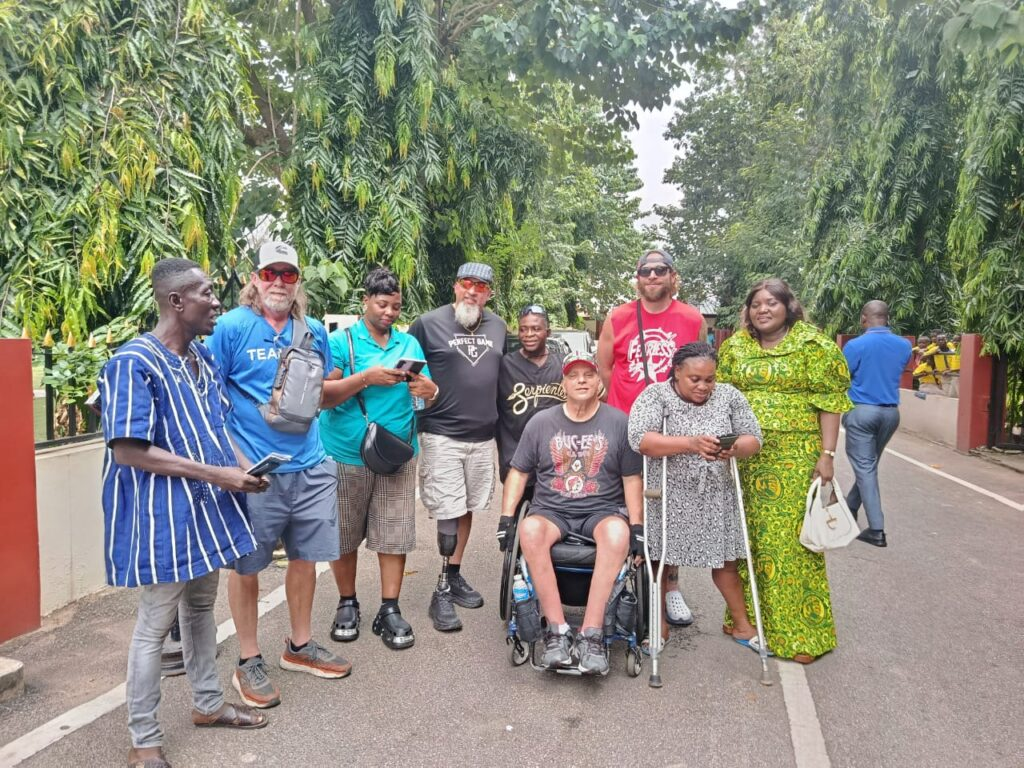
Led by President John Robert Teegarden, the delegation arrived on May 20, 2026, at the invitation of the Ghana Baseball and Softball Federation. The visit, coordinated through Wheelchair Softball Ghana under the federation, was aimed at promoting adaptive sports, challenging perceptions around disability, and expanding opportunities for inclusion.
The highlight was a one-day wheelchair softball clinic in Kumasi that brought together participants who were experiencing the sport for the first time. Athletes and newcomers were taken through practical sessions that showed how sports can serve as a tool for empowerment, rehabilitation, and social connection.
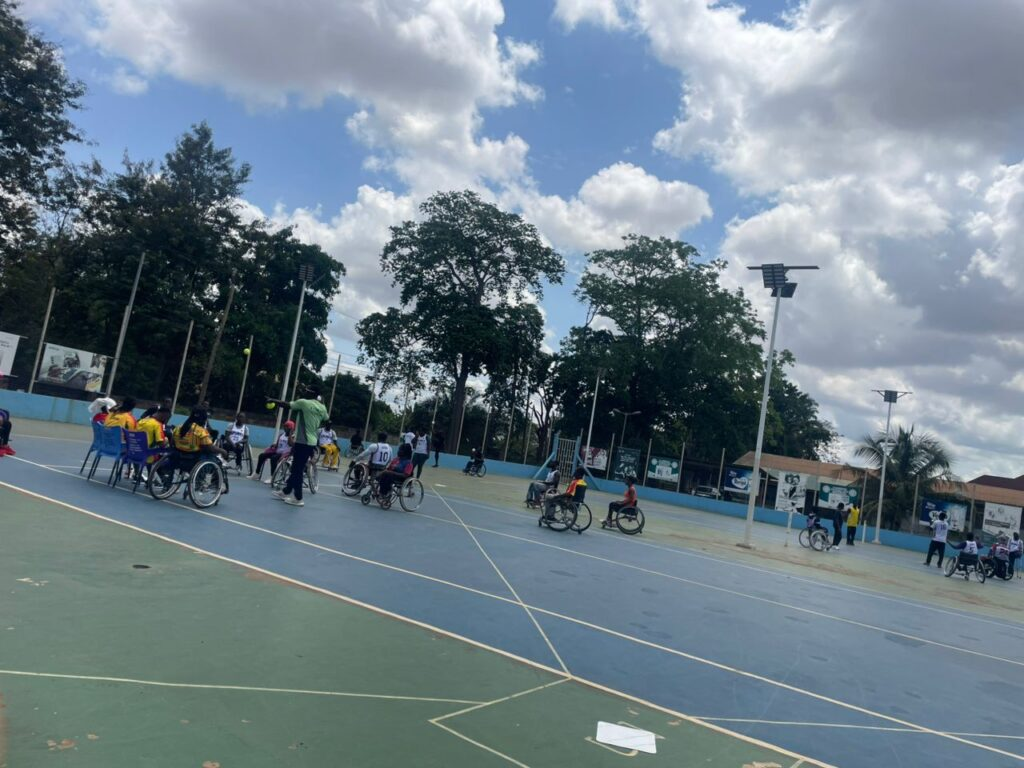
Beyond the drills and gameplay, the clinic became a platform to engage families and communities. Organizers used the event to encourage greater support for adaptive sports and to push back against the barriers that often exclude persons with disabilities from public life.
The delegation was later hosted by Adonko Bitters CEO, Dr. Kwaku Oteng. Local coordinators Emmanuel Obour Boateng, Elizabeth Emmanuella Nimo, and Daniel Obeng worked closely with the visiting team to make the events possible.
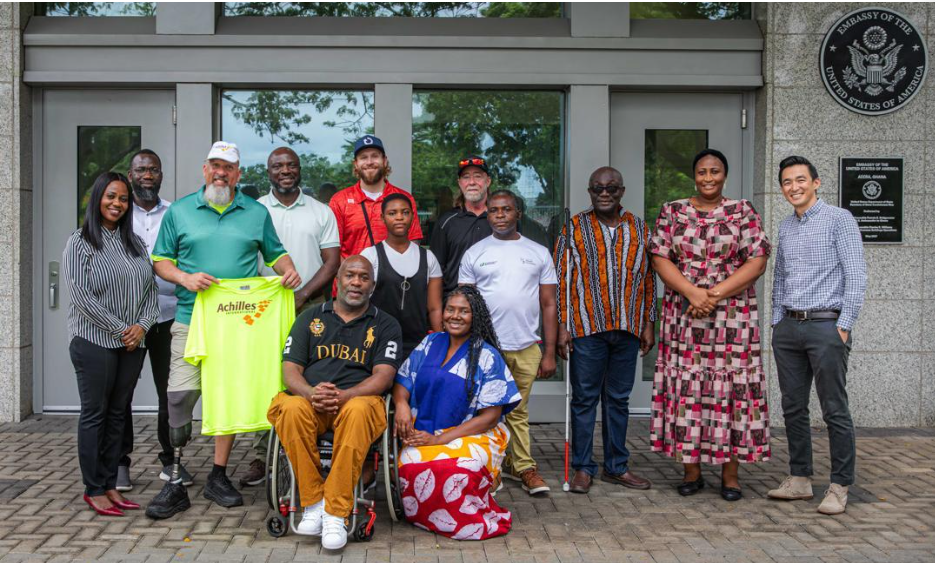
As part of their engagements, the team also paid a courtesy call on the U.S. Embassy in Ghana, where they met with Donya Eldridge and her team. Discussions focused on adaptive sports development, inclusion, and potential collaborations between Ghana and the U.S. to expand wheelchair softball initiatives across West Africa.
President of the Ghana Baseball and Softball Federation, Ernest Danso, said the federation is committed to making sports accessible to everyone, regardless of physical ability.
“We want to ensure that no young person feels left out because of disability. This partnership shows what’s possible when we open the game to all,” Danso said.
Following their engagements in Ghana, the American delegation departed Accra for Nigeria, where they will continue similar developmental activities with local partners.
For participants in Kumasi, the clinic was more than a sporting event. It was a first step toward changing the narrative around disability in Ghana—one swing at a time.